
Then, after nearly two months in the hospital, the patient developed fatigue, swelling and “severe, continuous” pain in his abdomen. Body scans revealed a dangerous lack of blood flow to the man’s intestines. In the man’s recent case, a genetic analysis confirmed that bacteria from a probiotic triggered his fatal infection. A description of the man’s case was published Aug. 3 in the journal BMJ Case Reports. It noted that the patient had an extensive medical history, which likely raised his risk of this rare occurrence.
Does Alcohol Affect Birth Control? (Not In The Way You Think)
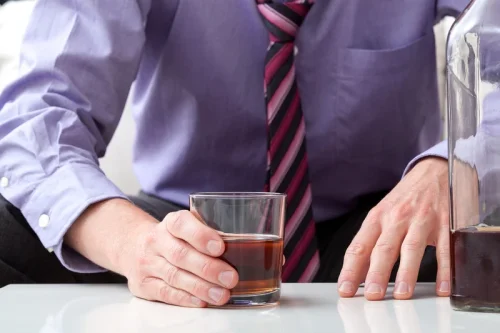
While alcohol can temporarily affect blood flow by dilating blood vessels, it does not alter the actual thickness of the blood itself. Blood thickness is primarily determined by factors such as red blood cell count, plasma viscosity, and platelet function. If you are drinking heavily or are worried you may be dependent on alcohol, reach out to a healthcare provider before does alcohol thin blood you start reducing your alcohol consumption to determine the safest way to make changes. According to the Centers for Disease Control and Prevention (CDC), 12 ounces of beer, 5 ounces of wine, and 1.5 ounces of 80-proof alcohol constitute one drink. In people assigned female at birth, consuming more than four drinks in one sitting is considered binge drinking.
Can Pain Cause High Blood Pressure?
This supports the findings from other studies that the alcohol-induced changes in HDL-c do not fully account for the lower risk of CHD in moderate alcohol drinkers (Mukamal 2012). Alcohol contains empty calories, and when a person drinks, they may replace nutrients with alcohol. Alcohol may then raise the level of triglycerides, or fats, in the blood. Over time, the elevated calorie intake related to alcohol consumption can lead to obesity, a higher risk for developing diabetes, high blood pressure, and heart failure. Binge and heavy drinking may cause a stroke or sudden cardiac death as well. Excessive alcohol consumption can lead to an increased risk of bleeding.
Alcohol Consumption and Total Stroke Incidence and Prevalence

The notion that drinking may somehow improve health, they said, is misguided. Haley Hicks is a licensed clinical social worker and serves as the CMO at BasePoint. She brings experience in therapy, clinical services and community outreach in the mental health realm. Haley received her Master of Social Work from the University of Texas-Arlington. In her free time Haley can be found playing soccer and spending time with her niece. These are some of the earliest signs of addiction, but as you might have noticed, most of these are feelings that might not always be there when you’re starting to become addicted to alcohol.

However, this exact mechanism may increase your risk of bleeding from strokes. A 2011 literature review that included 84 prior research studies found that people who drank alcohol had a reduced number of cardiovascular and stroke deaths. Researchers also found decreased rates of coronary artery disease (CAD) and non-fatal stroke among people who drank alcohol compared to those who didn’t. There are a number of factors that determine how dangerous alcohol consumption is while taking blood thinners. They do not pass readily through cell membranes, and they are major components of very-low-density lipoproteins (VLDLs), which are converted in the blood to LDLs. High levels of triglycerides in the blood have therefore been linked to atherosclerosis, heart disease, and stroke.

For the most part, moderate alcohol consumption is safe for people while taking blood thinners as long as they have no major medical problems and are in overall good health. Different levels of daily wine consumption (i.e., sometimes, 1 to 2 glasses/day, and ≥3 glasses/day) had no effect on fatal or nonfatal outcomes (e.g., hospitalization for a CV event). Subjects who drank wine more often, however, were less likely to have symptoms of depression and more likely to have a better perception of health status.
Changing your relationship with alcohol
Elizabeth Shaw is a nationally known nutrition expert, four time cookbook author, freelance writer, and pioneer in the field of fertility nutrition. Commonly referred to as “Shaw Simple Swaps”, she is the president and owner of the USA based nutrition communications and consulting firm. Elizabeth has been in the field of nutrition for over 18 years, has served as an adjunct professor, and is a certified personal trainer. A pounding sensation in the neck, chest, or ears also may be a sign of high blood pressure. However, sometimes treating the underlying cause may not change the platelet count, and the blood will remain thin. Thin blood presents problems with clotting, wound healing, and bruising.
- Sometimes, a doctor may advise a person to only avoid certain types of food or drink.
- Remember, everyone can use this information, whether you’re worried about an addiction yourself, worried about a friend or family member who might be dealing with an addiction, or simply have friends and family who drink.
- In this section, we’ll talk about the specific dangers that come with alcohol being a blood thinner, as well as some of the more general risks of alcohol use.
A 2016 review suggests that significant daily alcohol consumption increases the activity of platelets. Alcohol’s blood-thinning effects typically won’t last longer than a day, but the severity of its effects may vary. Using blood thinners and alcohol together can lead to disastrous health complications like compromising the liver and promoting excessive bleeding. One of the oldest blood thinners still in widespread use is warfarin (Coumadin). Of all the blood thinners available today, warfarin is most strongly affected by excessive alcohol consumption.